Summary: Jour fixe (French for "fixed day") refers to a regularly scheduled meeting for a defined group of people. Such recurring appointments are especially useful in project management to give team members an opportunity to exchange information and synchronize their knowledge. Good time management is helpful for scheduling. Thorough preparation and careful selection of participants ensure an efficient jour fixe.
What Is a Jour Fixe?
A jour fixe is a fixed, regularly recurring meeting where a defined group of people gathers for discussions. The term comes from French and literally means “fixed day.” In German-speaking countries, “jour fixe” has become the established term for such regular meetings.
Originally, the jour fixe was a feature of social life in the 18th century. Households that particularly enjoyed company would designate a certain day of the month or week on which anyone could visit without — as was otherwise obligatory for events at that time — being formally invited. The custom was widespread in artistic circles: hosts would invite artists to enjoy their performances and build a reputation as a patron among their acquaintances. A well-attended, established, and entertaining jour fixe carried extraordinary prestige.
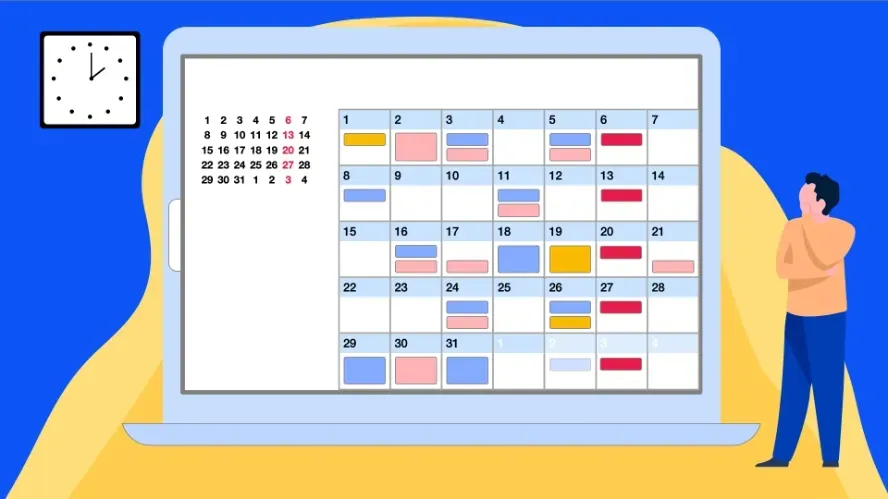
In today’s working world, the jour fixe serves as a regular meeting for a defined group of people, repeated at fixed times. For example, a team leader jour fixe might take place every Thursday at 10 a.m. Such meetings are of great importance in many companies, particularly in general management and project management, as they promote continuous information exchange and progress monitoring. In project management, the jour fixe has become an established and widely used project management method.
Characteristics of a Regular Meeting
Such a recurring appointment is characterized by the following features:
- Regularity: The meetings take place at fixed intervals, for example weekly or monthly, enabling plannable and structured communication. This distinguishes them from sporadic meetings such as a kick-off meeting.
- Fixed group of participants: Participants are generally consistent, which promotes efficient coordination and collaboration.
- Commitment: Attendance at such a meeting is mandatory for the designated participants to ensure continuous exchange.
- Structured agenda: There is often a fixed agenda covering topics such as project status, current challenges, open questions, and next steps. The current status and deviations from plan can be illustrated, for example, using a regularly conducted earned value analysis.
Through regular meetings, it is ensured that all participants are always up to date, which improves information flow and facilitates coordination within the team. Problems can also be identified early, and solutions can be developed collaboratively.
It is worth noting that the term “jour fixe” is not commonly used in this sense in French. In France, one would more likely speak of a “réunion de travail régulière.” Nevertheless, “jour fixe” has become an established term for regular meetings in the German-speaking world.
When Is a Regular Meeting Useful?
A jour fixe is particularly useful when regular communication and coordination within a team or between multiple parties are necessary. This structured form of exchange offers numerous advantages in various contexts, from project work to general team meetings.
1. Project Management and Progress Monitoring
In many organizations, the regular meeting is an essential tool in both project management and general management for keeping track of project status. Regular meetings allow participants to review milestones, clarify open questions, identify obstacles, and develop solutions. Especially for long-term projects, the jour fixe helps keep all participants on the same page and efficiently steer goal achievement. Such aspects can be illustrated very well using an earned value analysis (earned value method).
2. Coordination in Interdisciplinary Teams
When multiple departments or different disciplines work together, a jour fixe provides clarity and transparency. Team members can share their progress, exchange information, and ensure that all activities are aligned. This minimizes misunderstandings and helps to optimally leverage synergies.
3. Decision-Making and Prioritization
A regular meeting provides a fixed platform for clarifying open questions and making decisions. Regular coordination facilitates the prioritization of tasks and the adjustment of goals to changing conditions. This keeps the team flexible and capable of action without losing valuable time.
4. Fostering Team Dynamics and Motivation
Beyond functional benefits, a regular meeting also contributes to strengthening team culture. Regular meetings create routine and provide space for feedback, praise, and recognition. This fosters a sense of community and motivates participants to actively contribute.
5. Early Problem Identification
Another advantage for management is the ability to identify problems early and initiate countermeasures. A regular meeting provides a platform to openly discuss challenges and collaboratively find solutions. This helps minimize potential risks and avoid delays.
Note: A jour fixe is especially useful when regular coordination and clearly structured information exchange are required. In project work, everyday team operations, or cross-departmental cooperation, the jour fixe ensures transparency, efficiency, and a smooth workflow.
Key Rules and Tips for an Optimal Meeting
A well-organized regular meeting can significantly contribute to the success of a project or team effort. To ensure that these regular meetings are efficient, productive, and meaningful for all participants, it is essential to follow certain rules and structures. Below you will find important tips to consider when planning and conducting a regular meeting.
1. Define the Participants
The first step to a successful jour fixe is selecting the right participants. Consider who is relevant for the particular discussion. These individuals should either be actively involved in the topics or be able to add value through their expertise and decision-making authority. Too many participants can make the meeting inefficient, while too few may result in a lack of diverse perspectives. An ideal group consists of the directly affected individuals.
Tip: Keep the number of participants small and focused to ensure a targeted discussion.
2. Create Structure with Clear Role Assignments
A regular meeting needs a clear structure supported by defined roles. Determine in advance who will moderate the meeting, who will take minutes, and who is responsible for presenting specific topics. The moderator should ensure that the agenda is followed and the discussion does not drift off-topic.
Tip: Assign roles in advance and make sure all participants know their responsibilities.
3. Define the Content and Agenda
The agenda is the heart of an efficient regular meeting. It should be created in advance and shared with all participants so they can prepare. Focus on the most important topics and prioritize them to ensure that the available time is used optimally. Avoid having too many items on the agenda, as this can lead to superficiality and time pressure.
Tip: Include fixed agenda items such as status reports, problem areas, and decision-making. Also leave room for spontaneous topics.
4. Agree on Rule Compliance
For a jour fixe to run efficiently, clear rules should be defined and observed by all participants. These include punctual attendance, respect for other opinions, objective communication, and focus on the agenda. Distractions such as smartphones should also be avoided.
Tip: Collaboratively create a short list of behavioral rules with the team and ensure they are observed at every meeting.
5. Establish a Meeting Flow
A clear and structured flow helps make the jour fixe efficient. Start with a brief welcome and an overview of the agenda. Status reports can follow, before current challenges or decisions are discussed. Plan sufficient time for questions and feedback, and close the meeting with a summary and next steps.
Tip: Time management is crucial. Limit the duration of the meeting and ensure that each agenda item is covered sufficiently, but not excessively.
6. Write the Jour Fixe Minutes
Minutes are essential for documenting the results and decisions of a jour fixe. They serve as a reference for future meetings and ensure that all participants have the same information. The minutes should contain the key points, decisions made, open questions, and assigned tasks.
Tip: Appoint a dedicated note-taker and establish how the minutes will be documented and distributed. Use standardized templates to ensure consistency. Project management tools can be a great help in creating minutes and significantly simplify tracking action items.
Tips Summary:
- Participants: Only invite relevant people to increase efficiency.
- Roles: Clearly define moderation, minute-taking, and responsibilities.
- Agenda: Plan a focused and prioritized agenda that is communicated in advance.
- Rules: Establish shared behavioral rules to promote a respectful and productive environment.
- Flow: Follow a clear schedule and structure the meeting sensibly.
- Minutes: Document the results and share them with participants.
Pros and Cons of a Jour Fixe
The jour fixe is one of the most widely used project management methods for organizing regular meetings in teams or projects. However, as with any method, there are both advantages and disadvantages that should be carefully weighed to achieve the greatest possible benefit.
Advantages of a Jour Fixe
1. Regular Information Exchange
The greatest advantage of a jour fixe is the opportunity to exchange information regularly and in a structured manner. This keeps all participants up to date, and important information is not overlooked.
2. Clear Communication
A jour fixe creates a fixed platform for dialogue. Misunderstandings can be cleared up early and open questions can be clarified directly, increasing efficiency and reducing conflicts.
3. Structure and Reliability
Regular scheduling provides reliability and structure in daily work. All participants know when they can raise topics and can prepare accordingly. This increases predictability and supports the continuous handling of tasks.
4. Fostering Collaboration
Through regular contact, team collaboration is strengthened. A jour fixe can help build a sense of community, especially in interdisciplinary or remote teams.
5. Quick Problem Solving
Problems can be raised early in the jour fixe and solved collaboratively. This prevents small challenges from becoming larger obstacles.
Disadvantages of a Jour Fixe
1. Time Investment
A jour fixe can be time-consuming, especially when the meeting is poorly prepared or the discussion drifts off-topic. Regular meetings can quickly become a “time drain” that hinders actual work.
2. Risk of Inefficiency
Without a clear agenda and objectives, jour fixe meetings can be unproductive. Participants may feel their time is being wasted, which can undermine the motivation and acceptance of such meetings.
3. Agenda Overload
If too many topics are placed on the agenda, the quality of the discussion suffers. There is a risk that important points are not adequately discussed or that decisions have to be postponed.
4. Routine Instead of Innovation
Regular scheduling can lead to the jour fixe becoming routine and losing its effectiveness. Participants may view it as a mandatory event and participate less actively.
5. Meeting Fatigue
In organizations where many meetings already take place, the jour fixe can become an additional burden. This often leads to a phenomenon known as “meeting fatigue.”
Conclusion
The decision for or against a jour fixe should be made carefully by weighing the benefits against the potential drawbacks. Used correctly, the jour fixe is a valuable tool for promoting communication and collaboration. However, without clear structures and a targeted approach, it can quickly become inefficient.
To maximize the advantages and minimize the disadvantages, it is crucial to plan meetings well, focus on the essentials, and actively involve participants. This way, the jour fixe becomes a productive and valued institution in the workplace.
The Most Common Jour Fixe Mistakes and Tips to Avoid Them
A jour fixe can be an extremely useful tool for coordinating teams and promoting exchange. However, for the meeting to remain effective, it is important to avoid typical mistakes that diminish the value of the discussion or undermine participant motivation. Here are the most common problems and practical tips for avoiding them.
1. Lack of Preparation
One of the most common mistakes is poor preparation. Without a clear agenda, structured topics, and prepared participants, the jour fixe quickly becomes an inefficient exchange where little is accomplished. In many organizations, such meetings therefore have a bad reputation.
Tip: Prepare each session carefully. Create an agenda and share it with all participants in advance so everyone can prepare. Plan enough time for each item without overloading the meeting (see also writing meeting minutes).
2. No Clear Objectives
A jour fixe without clear goals often leads to discussions that go in circles. Participants lose focus, and the meeting becomes unproductive.
Tip: Define one or two central objectives for each meeting. Make these objectives clear at the start of the meeting so everyone can work toward them.
3. Unclear Role Assignments
When it is unclear who is moderating, who is taking minutes, or who is responsible for handling specific tasks, it can lead to chaos and delays.
Tip: Define in advance who takes on which role. The moderator should ensure the agenda is followed, and the note-taker should document key points and decisions.
4. Meetings That Run Too Long
A jour fixe that drags on often causes participants’ attention to wane. Lengthy discussions or unnecessary details make the meeting inefficient.
Tip: Set a clear time limit for the meeting — timeboxing can help here. Focus on the essential points and politely but firmly interrupt discussions that wander off-topic. Topics that require more time can be moved to separate meetings.
5. Lack of Follow-Through
Without clear outcomes and responsibilities, the jour fixe often remains ineffective. Tasks are not carried out, and problems remain unresolved.
Tip: Ensure that every meeting ends with concrete decisions and clear task assignments. Record these in the minutes and check in the next session whether they have been implemented. A to-do list or project management tools support follow-up tracking.
6. Too Many Participants
A jour fixe with too many participants quickly becomes unwieldy. Discussions drag on, and not everyone gets a chance to speak.
Tip: Limit the number of participants to those who are directly affected or can make important contributions. Inform others about the results if they cannot attend.
7. Not Following the Rules
When participants repeatedly arrive late, interrupt the flow of conversation, or fail to follow the agenda, the efficiency of the jour fixe suffers.
Tip: Establish clear rules for the meeting, such as punctual attendance, respect for others’ contributions, and commitment to following the agenda. The moderator should ensure these rules are observed.
8. Routine Without Added Value
A jour fixe that becomes pure routine can lose its usefulness. Participants feel the meeting is a waste of time when no new insights or results are achieved.
Tip: Regularly review the value of the jour fixe. Adapt the content and format to the current needs of the team and ensure that every meeting provides added value.
9. No Documentation
When results and decisions are not documented, important information can be lost. This leads to repeated discussions and a lack of follow-through.
Tip: Keep minutes that record all key points, decisions, and tasks. Share the minutes with all participants after the meeting and ensure they serve as a reference for future discussions.
Frequently Asked Questions
What is a jour fixe?
A jour fixe is a scheduled, regular meeting where team members or project participants come together. These gatherings serve the purpose of exchanging information, reviewing progress, and planning next steps, thereby promoting efficiency and coordination within the project.
Why is “jour fixe” spelled with an E?
“Jour fixe” is spelled with an “e” at the end because it follows French spelling conventions, where the adjective “fixe” in this expression always contains a silent “e.” Even though this “e” is not pronounced in English or German, the spelling is retained in keeping with the correct French form.
How often should a jour fixe take place?
The frequency of a jour fixe depends on the specific requirements of the project or team. Weekly, monthly, or quarterly meetings are common. For effective meetings, a duration of approximately 30 minutes is recommended to maximize productivity.
What is discussed in a jour fixe?
In a jour fixe, current topics and upcoming projects within a team or organization are discussed. It serves as a regular forum for exchanging information, coordinating tasks, and planning future activities to ensure efficient collaboration.

Jörg Friedrich
Senior Advisor
Jörg Friedrich is the original author of the project management software Allegra and continues to accompany its development to this day. He has many years of industry experience as a project and department manager. He also serves as a professor in the Faculty of Computer Science and Information Technology at Esslingen University of Applied Sciences.