Agile Project Management: These Tools Make the Difference
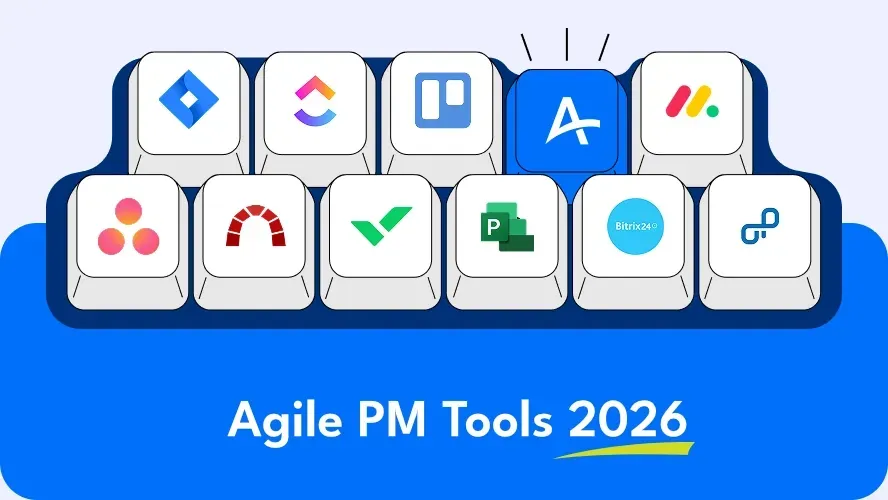
Agile project management has proven indispensable in many industries, particularly in software development and engineering. The flexibility and adaptability of agile methods ensure that projects can be completed more efficiently and successfully. However, choosing the right tool is crucial to fully leverage these benefits. In this article, I’ll introduce the best tools for agile project management – with detailed insights into their features and use cases.
What Is Agile Project Management?
Agile project management is an approach that relies on iterative processes, close collaboration, and continuous feedback. It allows teams to respond flexibly to changes and focus on what truly matters: creating value for the customer.
Why Agile Methods Work
I remember a project where we started with a classic waterfall approach. After just a few weeks, it became clear that requirements were constantly changing. The rigid planning led to delays and frustrations within the team. Switching to an agile approach – combined with the right tool – ultimately brought the breakthrough: we could respond quickly to changes and improve team collaboration.
The Challenges for New Project Managers
New project managers often face similar hurdles when they want to introduce agile methods and tools. The most common challenges include:
- The paradox of choice: There is a huge selection of tools, all advertising unique features.
- Team resistance: Not all team members are immediately enthusiastic about new ways of working or tools.
- Lack of experience: New project managers often don’t know how to practically implement agile principles.
- Time constraints: Between deadlines and daily tasks, there’s little time for introducing new tools.
- Unrealistic expectations: Tools can facilitate processes but cannot replace clear communication or good leadership.
What Makes a Good Agile Tool?
A good agile tool is far more than just a digital version of a whiteboard. It should support the principles of agile work and make the team’s daily life easier without being unnecessarily complex or expensive. Here are the most important qualities of a good agile tool:
1. User-Friendliness
An agile tool must be intuitive and easy to use. Long onboarding times and complex user interfaces often lead to the tool not being used effectively.
2. Adaptability
Every team and every project is different. A good agile tool should be flexible enough to adapt to the specific needs of your project – whether through custom workflows, customizable dashboards, or integration with other systems.
3. Scalability
The tool should be suitable for both small projects and large, complex teams. Especially in growing companies, it’s important that the tool scales with the requirements.
4. Integration with Other Tools
In many projects, teams rely on multiple platforms. A good tool should integrate seamlessly with existing systems, such as communication platforms (e.g., Slack) or software development tools (e.g., GitHub).
5. Support and Regular Updates
Reliable customer support and regular updates are essential to ensure the tool meets current requirements and any issues can be resolved quickly.
The Most Important Features for Agile Work
Not all tools offer the same features, and not every feature is necessary for all projects. However, some features are indispensable for agile work:
1. Kanban and Scrum Boards
These visualization tools are at the core of many agile approaches. Kanban boards help visualize workflow and identify bottlenecks, while Scrum boards are specifically designed for sprints and iterative work.
2. Task and Project Management
A good tool makes it possible to clearly define, prioritize, and assign tasks. Features like deadlines, checklists, and subtasks ensure nothing is overlooked.
3. Reports and Analytics
Regular retrospectives are an important part of agile work. Tools with integrated reporting and analytics features help you measure your team’s performance and identify improvement opportunities.
4. Real-Time Collaboration
Agile work requires close team collaboration. Tools should offer features like shared editing, real-time comments, and notifications to promote communication.
5. Time Tracking and Resource Management
Especially in more complex projects, it’s important to keep track of resource and time allocation. Tools with integrated time tracking and resource planning help identify bottlenecks early.
The Best Tools for Agile Project Management
After many years of experience leading software and engineering projects, I’ve compiled a list of tools that have proven themselves in practice. Each of these tools has its own strengths and is suited for specific use cases. Here’s an in-depth look at the best solutions:
1. Allegra
Allegra is an extremely flexible tool that supports both agile and traditional project management approaches. It’s ideal for teams that want to use hybrid methods.
Features and Benefits
- Kanban and Scrum: Allegra offers intuitive boards for daily task management.
- Gantt Charts: For long-term planning or projects with fixed milestones, Gantt charts are indispensable.
- Reporting and Tracking Features: With Allegra, you can create detailed reports and precisely track your project’s progress.
- Customizability: Workflows can be individually designed to meet your team’s needs.
Practical Example
In an engineering project that required a combination of agile and traditional approaches, we used Allegra for long-term planning and daily task management. The Gantt charts allowed us to clearly visualize milestones, while Scrum boards helped us efficiently complete short-term tasks.
Who Is It Suitable For?
Allegra is ideal for teams pursuing hybrid approaches or managing projects with varying requirements.
2. Jira
Jira is one of the most well-known tools in agile project management and is frequently used in software development.
Features and Benefits
- Scrum and Kanban: Jira offers powerful boards specifically designed for agile methods.
- Backlogs and Sprint Planning: Tasks can be easily prioritized and organized into sprints.
- Reports and Dashboards: Jira delivers detailed reports that help identify bottlenecks and track project progress.
- Integration: It integrates seamlessly with other Atlassian tools like Confluence and Bitbucket.
Practical Example
In a software development project with 20 developers, we used Jira to prioritize backlogs and plan sprints. The ability to track progress in real-time helped us identify and resolve blockers early.
Who Is It Suitable For?
Jira is ideal for software development teams or large organizations looking for a scalable tool.
3. Trello
Trello is a simple and visual tool particularly suited for small teams or less complex projects.
Features and Benefits
- Kanban Boards: Tasks can be easily moved between different columns via drag-and-drop.
- Checklists and Labels: Trello offers simple ways to organize and prioritize tasks.
- Easy to Use: Trello is extremely user-friendly and therefore ideal for beginners.
- Free: The basic version is free and offers enough features for smaller teams.
Practical Tip
In an engineering project with only three team members, we used Trello to prioritize tasks. The color-coded labels helped us keep track of the urgency of individual tasks.
Who Is It Suitable For?
Trello is suitable for small teams looking for an uncomplicated solution.
4. Asana
Asana is a tool distinguished by its clear structure and excellent communication capabilities.
Features and Benefits
- Tasks and Subtasks: Tasks can be planned in detail and equipped with attachments, comments, and deadlines.
- Projects and Timelines: Ideal for clearly presenting complex projects.
- Integration: Asana can be connected to tools like Slack and Microsoft Teams to improve collaboration.
- Team Communication: With Asana, team communication stays transparent and clear.
Practical Example
In a project with multiple external partners, we used Asana to organize collaboration. Everyone knew exactly which tasks they were responsible for, and progress was clearly documented.
Who Is It Suitable For?
Asana is ideal for teams that prefer clear structures and simple communication channels.
5. ClickUp
ClickUp is a comprehensive all-in-one platform designed for large, complex projects.
Features and Benefits
- Gantt Charts and Calendars: Ideal for long-term planning.
- Time Tracking: Practical for documenting and analyzing work time.
- Customizable Dashboards: Dashboards can be individually designed to see the most important data at a glance.
- Versatility: ClickUp offers features for agile methods, traditional planning, and time management.
Practical Example
In a construction project with strict deadlines, we used ClickUp to efficiently manage timelines and resources. The ability to visualize progress in Gantt charts was particularly helpful.
Who Is It Suitable For?
ClickUp is suitable for large teams and projects with diverse requirements.
How to Introduce Agile Tools to Your Team
Introducing a new tool requires careful planning and communication.
1. Involve the Team
Resistance can be avoided if the team is involved in the selection process. Ask your team members what features they need and which tools they already know.
2. Gradual Introduction
Start with a pilot project to test the tool. This allows you to identify potential problems early and make adjustments.
3. Offer Training
Provide workshops or training so your team can make optimal use of the tool’s features. Also designate a central point of contact who can help with questions.
4. Clearly Communicate the Benefits
Explain to your team how the new tool will make their work easier. Examples like: “With Allegra, we can better coordinate daily tasks while keeping long-term planning organized” help build acceptance.
Long-Term Success with Agile Tools
Introducing a tool is just the beginning. Long-term success requires regular adjustments and improvements.
1. Regular Retrospectives
Reflect at regular intervals on whether the tool is delivering the desired results. Ask your team: “What’s working well? What could be better?“
2. Gather Feedback
Actively seek feedback from your team to optimize how the tool is used.
3. Integration with Other Systems
Connect the tool with other platforms like Slack or Microsoft Teams to simplify and speed up work processes.
Conclusion
Choosing the right tool can make the difference between success and failure in agile projects. Allegra, Jira, Trello, Asana, and ClickUp each offer unique advantages and are suited for different requirements. With the right introduction and continuous optimization, you can take your project management to the next level.
Call to Action:
Try one of the tools presented and find out which one best suits your team. You can find more tips and articles on our blog!
How Can Project Management Tools Be Classified?
Project management tools can be classified based on various criteria, including:
-
Functionality:
- All-in-One Tools: Offer comprehensive features such as task management, scheduling, resource planning, communication, and reporting (e.g., Microsoft Project, Allegra).
- Specialized Tools: Focus on individual aspects such as time tracking (e.g., Toggl) or collaboration (e.g., Slack).
-
Project Management Methodology:
- Agile Tools: Support agile methods such as Scrum or Kanban (e.g., Jira, Trello).
- Traditional Tools: Suited for classical methods like Waterfall (e.g., GanttProject).
-
Hosting:
- Cloud-Based Tools: Enable web-based access (e.g., Asana, Wrike).
- On-Premise Tools: Installed and operated locally (e.g., MS Project Server, Allegra).
-
Team Size and Scalability:
- Tools for Small Teams: Simple and user-friendly (e.g., Trello).
- Tools for Large Enterprises: Scalable with extended features (e.g., SAP Project System).
-
Purpose:
- General Tools: Suitable for different industries.
- Industry-Specific Tools: Customized for specific industries (e.g., construction project management tools).
These classifications help in selecting the right tool for specific project requirements.
What Are the Most Important Features of Project Management Software?
Good project management software offers a variety of features to efficiently plan, organize, and execute projects. The most important features include:
-
Task Management:
This includes creating, assigning, and prioritizing tasks. Teams can create task lists, set deadlines, and track progress. -
Scheduling:
Features like Gantt charts or calendars enable clear visualization of timelines and milestones. This helps identify dependencies and meet deadlines. -
Resource Management:
The software helps manage personnel, budget, and material resources. It provides insights into resource utilization and prevents overload or bottlenecks. -
Team Communication and Collaboration:
Tools for chats, forums, comment features, or real-time document editing promote collaboration and communication within the team. -
Project Tracking and Status Monitoring:
Dashboards and reports enable real-time monitoring of project progress. Deviations from time or budget plans can be detected early. -
Document Management:
Central storage and management of files facilitates access to project-relevant documents and reduces search effort. -
Time Tracking:
This feature documents how much time is spent on specific tasks or projects. It supports workflow optimization and budget compliance. -
Reporting and Analytics:
Automated reports and visualizations help analyze project data and make informed decisions. -
Integration and Customizability:
The ability to integrate with other tools such as email programs, CRMs, or financial software increases efficiency. Customizable workflows allow individual adaptation to project requirements.
The combination of these features enables effective project management and execution, increasing productivity and ensuring goal achievement.
- Project Management Software: Comparison of the Best Tools 2024
- How to Compare Project Management Tools
- Project Management Software On-Premise vs. Cloud
- Ticket System: Comparison and Test
- Collaboration Software: 6 Popular Tools Compared
- Project Management Software Selection Criteria
- awork Alternative Allegra
- Project Management vs. Task Management
- Looking for Task Management Software?
- The Best Brainstorming Tools Online
Benefits of Project Management Tools
Using project management tools offers numerous advantages that contribute to increased efficiency, better organization, and successful project execution. The most important benefits include:
-
Improved Planning and Organization:
Project management tools enable structured planning of tasks, milestones, and resources. Timelines, Gantt charts, and Kanban boards create transparency and facilitate organization. -
More Efficient Communication and Collaboration:
Through centralized communication platforms, team members can exchange information, leave comments, and collaborate on documents. This reduces misunderstandings and promotes teamwork, even with distributed teams. -
Real-Time Transparency and Progress Monitoring:
Dashboards and reports provide insight into project status in real-time. Stakeholders can identify deviations early and take targeted action. -
Better Resource Utilization:
The software helps optimally plan and monitor resources such as personnel, budget, and materials. Bottlenecks or overloads can be identified and avoided early. -
Time Savings and Productivity Gains:
Automated processes such as notifications, reports, or time tracking reduce manual effort and create more room for productive work. -
Centralized Document Management:
All project-relevant information and files are stored in one place, facilitating access and minimizing document searches. -
Flexibility and Scalability:
Many tools are cloud-based, enabling location-independent work. They can also be adapted to team size or project requirements. -
Better Decision-Making:
By providing current and detailed data, informed decisions can be made more quickly. -
Cost Control:
Tracking budgets and early detection of cost overruns help maintain financial constraints.
These benefits mean project management tools not only promote efficiency and goal achievement but also team member and stakeholder satisfaction.
What Are the Best Project Management Tools?
The selection of project management tools presented here is certainly subjective. We have refrained from rating them and list the software alphabetically.
Allegra
Allegra is a versatile project management software that supports both agile and traditional project methods.
Strengths
- Very extensive feature set for traditional and agile PM
- Full support for agile PM with epics, stories, backlog management
- Projects and items can be structured to any depth
- Great flexibility allows adaptation to different requirements
- Available on-premises and in the cloud
Weaknesses
- Low brand awareness
- Feature richness requires coaching of system administrators
Conclusion: Allegra is a powerful solution for simple to complex projects. It is particularly suited for users who appreciate a feature-rich platform.
Asana
Asana is a work management software that helps teams efficiently organize and track their work.
Strengths
- Asana’s strengths include an intuitive user interface and simple handling that enables even new users to get started quickly. With features like task management, project templates, dashboards, and calendars, Asana offers everything needed for planning and executing projects. Particularly practical are the integrations with tools like Slack, Google Drive, or Microsoft Teams that facilitate teamwork.
Weaknesses
- For very complex projects or in-depth resource planning, Asana reaches its limits. Additionally, the free version lacks advanced features like time tracking or advanced reports, which are often only available in paid plans.
Conclusion: Asana is ideal for teams of any size looking for an easily accessible and clear project management tool. For very large, complex projects, however, a more specialized solution may be needed.
Bitrix24
Bitrix24 is a comprehensive software solution that combines project management, CRM, communication, and collaboration in one platform.
Strengths
- Its versatility and the wide range of features offer both small and large companies numerous possibilities. In addition to project management tools like task management, Gantt charts, and time tracking, Bitrix24 also integrates communication features like chats, video conferences, and document sharing. A particular advantage is the free basic model, which provides many features at no additional cost. The platform is also available both in the cloud and on-premise, making it flexible and secure.
Weaknesses
- Bitrix24 can feel overwhelming due to its feature richness, especially for new users. The user interface is not always intuitive, and onboarding can be time-consuming. Some advanced features are only available in higher pricing tiers, and the mobile app could be improved.
Conclusion: Bitrix24 is a powerful all-in-one solution particularly suited for companies that want to combine project management with comprehensive communication. However, patience is required during onboarding.
ClickUp
ClickUp is a versatile and user-friendly project management software that stands out for its flexibility and customizability.
Strengths
- Its extensive features include task management, time tracking, Kanban boards, Gantt charts, and prioritization. The software gives teams the ability to customize their workflows, making it suitable for a wide variety of project types. Particularly noteworthy is the intuitive user interface, which remains clear despite the wealth of features. Integration with numerous tools like Slack, Google Drive, and Trello also facilitates collaboration.
Weaknesses
- The multitude of features can be overwhelming for new users, making onboarding more difficult. Additionally, performance can sometimes slow down with larger projects. Some advanced features are only available in paid versions.
Conclusion: ClickUp is an ideal tool for teams of any size that value flexibility and customization options. A little time for onboarding is required, however.
Freedcamp
Freedcamp is a user-friendly project management software that offers both individuals and teams a wide range of features at an attractive price-performance ratio.
Strengths
- Its intuitive user interface and variety of tools including task management, Kanban boards, Gantt charts, calendars, and time tracking stand out. Particularly noteworthy is that the basic version is free yet offers many useful features, making it ideal for small teams or startups. Freedcamp also allows integration with third-party apps like Google Drive and Zapier to optimize workflows.
Weaknesses
- For more complex projects or large teams, Freedcamp is limited. Features like detailed reports or in-depth resource planning are less developed. Some advanced features, like CRM or extended data backup options, are only available in paid plans. The mobile app could also use more functionality.
Conclusion: Freedcamp is a great, cost-effective solution for smaller teams or individual users. For more extensive requirements, however, more specialized alternatives may be more suitable.
Jira
Jira is a powerful project management software specifically developed for software developers and teams using agile methods like Scrum or Kanban.
Strengths
- Jira’s extensive features include backlog management, sprint planning, bug tracking, and reporting, perfectly tailored to the needs of development teams. The flexibility to create custom workflows and seamless integration with other Atlassian products like Confluence and Bitbucket make Jira an indispensable tool in many IT environments. The high scalability for large teams or organizations is also a major advantage.
Weaknesses
- The user interface can be overwhelming for new users, making onboarding difficult. For non-technical teams or simple projects, Jira can seem too complex. Many advanced features are only available in higher pricing tiers.
Conclusion: Jira is an excellent choice for development teams and agile projects but requires some onboarding time and is less suitable for non-technical use cases.
MeisterTask
MeisterTask is an intuitive and visually appealing project management software that helps teams effectively organize and track tasks.
Strengths
- MeisterTask’s simple user interface and clear structure are particularly well-suited for Kanban workflows. It offers features like task management, automations, checklists, and integrations with tools like Slack, Google Drive, and Microsoft Teams. The software excels with quick onboarding and is ideal for small to medium-sized teams looking for an easily accessible tool. Particularly noteworthy are the customizable workflows and seamless integration with the mind mapping software MindMeister, which supports creative planning.
Weaknesses
- MeisterTask is limited in its features for complex projects or larger teams. In-depth resource planning or advanced reporting options are missing, and many advanced features are only available in paid plans.
Conclusion: MeisterTask is a great choice for teams looking for a user-friendly and flexible tool for simple to moderately complex projects. For more complex requirements, however, more specialized alternatives may be more suitable.
monday.com
monday.com is a visually appealing and versatile project management software that helps teams clearly structure and efficiently organize their work.
Strengths
- monday.com’s simple user interface and visual focus make projects easy to understand through color-coded boards and clear views. With features like task management, timelines, Gantt charts, and automations, the tool offers a flexible solution for projects of all kinds. Small to medium-sized teams particularly benefit from the intuitive operation and numerous customization options.
Weaknesses
- For very complex projects or in-depth resource management, the platform reaches its limits. Some advanced features, such as extended automations or reports, are only available in more expensive plans. The many options may initially seem overwhelming for beginners.
Conclusion: monday.com is ideal for teams looking for a flexible and visual project management solution. For very large and complex projects, however, more specialized tools may be better suited.
OpenProject
OpenProject is a powerful open-source project management software particularly suited for experienced users and organizations that value individual customization and cost efficiency.
Strengths
- Its extensive features include Gantt charts, agile boards, time tracking, and custom fields. OpenProject also scores with high flexibility and the option for on-premise installation, which is particularly attractive for companies with strict data protection requirements. The platform is also GDPR-compliant and provides a secure environment for sensitive data.
Weaknesses
- The user interface appears somewhat clunky compared to modern cloud tools like Asana or Trello. Technical know-how and training are required for setup and optimal use, which raises the entry barrier. Additionally, advanced features and personal support are only available in paid plans.
Conclusion: OpenProject is ideal for experienced users and organizations that need a scalable, secure, and cost-effective solution but are willing to invest patience in onboarding.
Redmine
Redmine is an open-source project management software particularly suited for technical teams and developers.
Strengths
- Redmine’s flexibility and customizability stand out. Thanks to a wide range of plugins, teams can extend the software individually to their specific requirements. Features like task management, Gantt charts, time tracking, and an integrated issue tracking system make Redmine a versatile tool. Its open-source nature allows the software to be used without license costs, and it can be installed locally on own servers, which benefits companies with high data protection requirements.
Weaknesses
- Redmine has an outdated user interface that is less user-friendly compared to modern tools like Asana or Trello. Setting up and maintaining the software requires technical know-how, and mobile use is limited. Without additional customizations or plugins, it lacks deeper features like resource planning.
Conclusion: Redmine is a powerful and cost-effective solution for technically experienced teams but can be challenging for non-technical users.
Trello
Trello is a simple and visually appealing project management software based on the Kanban board principle.
Strengths
- Trello’s intuitive operation and flexible customizability allow users to clearly structure projects and tasks through visual cards and lists. It’s ideal for smaller teams looking for an uncomplicated way to keep track of task progress. Particularly practical are the Power-Ups (extensions), which can add additional features like calendars or integrations with tools like Google Drive and Slack. Trello is also available cross-platform, facilitating collaboration.
Weaknesses
- For complex projects or extensive resource planning, it offers limited capabilities. Many advanced features are only available in paid plans. Additionally, it lacks integrated time tracking or in-depth reporting.
Conclusion: Trello is ideal for small to medium-sized projects and teams looking for a user-friendly and visual tool, but it reaches its limits with more complex requirements.
Wrike
Wrike is a comprehensive project management software particularly suited for medium to large teams that want to efficiently manage complex projects.
Strengths
- Wrike’s versatile features include task management, time tracking, Gantt charts, and dashboards that clearly visualize project progress. Particularly impressive is the flexibility with which workflows can be customized and projects structured. Wrike also offers strong collaboration capabilities, allowing team members to share files, comments, and updates in real-time.
Weaknesses
- The user interface can initially feel overwhelming, especially for beginners getting used to the numerous features. Additionally, many advanced features like reports or automations are only available in higher, paid plans. The software can also feel oversized for very small teams.
Conclusion: Wrike is a powerful tool for teams managing demanding projects. It requires some onboarding time, however, and may be too extensive for small projects.
Summary
Work management can be quite simple: with the ALPEN method, the time management method that requires you to work with carefully created task lists, buffer times, and planned breaks to make your day productive.
More project management software and tips can be found on the Allegra website.

Jörg Friedrich
Senior Advisor
Jörg Friedrich is the original author of the project management software Allegra and continues to accompany its development to this day. He has many years of industry experience as a project and department manager. He also serves as a professor in the Faculty of Computer Science and Information Technology at Esslingen University of Applied Sciences.